


Room Interiors
How to Prepare Your Home for a British Winter: An Interior Checklist
September 23, 2026

How to Prepare Your Home for a British Winter: An Interior Checklist
British winters are rarely dramatic. They are long, damp and grey, and they test a house in dozens of small ways — the chill that crosses a floor, the bedroom window streaming with condensation by eight in the morning, the sitting room that never quite warms up however high the thermostat goes. Most of the fixes cost little, are reversible, and are invisible when done well. What follows is a seasonal checklist for anyone who wants a warmer house without stripping out the sash windows, floorboards or shutters that made them fall for it in the first place.
Draught-proofing that leaves period features alone
Cold air moving past you is felt far more keenly than cold air in general, which is why draughts come first. On a windy evening, run the back of your hand slowly around window frames, skirting boards, the letterbox and the base of doors. Your skin will find the leaks faster than any gadget.
Sash windows are usually the worst offenders and the easiest to improve. Fit brush or spring pile seals into the rebate so the sashes still slide — the meeting rail, where the two sashes overlap in the middle, is often the leakiest point in the room. Where a window is rarely opened, a discreet secondary glazing panel or a good thermal blind makes an obvious difference. Keep silicone sealant for gaps that are never meant to move.
A heavy timber door is usually sound in the middle and hopeless at the edges. A brush strip at the base, a flap on the letterbox and a cover over the keyhole sort most of it, and screw-fixed seals can be removed later if the door is historic.
Chimneys matter too. An open flue pulls warm air out of a room all winter, so a chimney balloon or a sheep's wool excluder earns its place — provided you remove it before lighting a fire. Never block permanent ventilation: airbricks and vents serving a fire, stove or boiler must stay clear. If you are unsure which vents do that job, ask a qualified heating engineer before sealing anything.
Insulation: start with the dull, cheap wins
Loft insulation is the least glamorous work in the house and usually the best value. If you can still see the joists when you climb up there, there is room to top up. Lay it evenly rather than cramming it into gaps, keep it clear of the eaves so air can still move, and check that any downlights are rated to be covered.
Solid walls are a different conversation. Brick and stone without a cavity need to manage moisture, and internal insulation can trap it when it is fitted without thought. A surveyor who works regularly with period buildings is worth the fee before you commit.
Suspended timber floors sit over a ventilated void, which makes them quietly cold. Gaps between boards can be sealed from below with a breathable membrane, and a thick underlay plus a wool carpet will do more than you might expect. Lag the exposed pipes and the hot water cylinder, fit thermostatic valves where radiators run too hot, and keep furniture and curtains clear of radiators so heat can circulate. A simple radiator reflector panel behind each radiator sends warmth back into the room rather than into the wall, and a cylinder jacket costs little and pays for itself within a season.
Condensation and damp: the quiet winter problem
In a British winter, moisture is often a bigger enemy than cold. Every shower, kettle and drying load of laundry adds water vapour to the air, and when that air meets a cold surface — a single-glazed window, an external wall, a tiled bathroom — it condenses. Left alone, it feeds mould and makes a house feel colder than it is.
The answer is not to seal the house tighter but to manage airflow. Use extractor fans in the kitchen and bathroom, and leave them running for ten minutes after you finish. If you have trickle vents on windows, keep them open; they are designed to let a small amount of moist air out without creating a noticeable draught. Dry clothes outdoors when you can, or in a well-ventilated room with a dehumidifier. Wipe down windows and sills in the morning, and keep furniture a few inches away from external walls so air can move behind it.
If condensation persists despite these steps, it may be a sign of a blocked airbrick, a leaking gutter or a plumbing drip. A damp surveyor can trace the source, but start with the simple routines first.
Soft furnishings, light and the feeling of warmth
Warmth is partly physical and partly psychological. A room can be a degree or two cooler and still feel cosy if it is layered with textiles and lit softly. Heavy curtains drawn at dusk — ideally lined and reaching the floor — act as an extra layer of insulation. A rug over bare floorboards stops the chill rising through your feet, and a throw on the sofa or armchair invites you to settle rather than shiver.
Lighting matters too. Swap cold white bulbs for warm white ones in lamps, and use table lamps instead of a single overhead light in the evening. A candle or two, safely placed, changes the mood of a room more than a jump in the thermostat. None of this is insulation, but it makes the winter feel shorter.
A room-by-room quick checklist
- Hallway: Fit a brush strip to the front and back doors, seal the letterbox, and put a mat inside and out to catch grit and moisture.
- Living room: Seal sash windows, add a thermal blind or heavy curtains, and move furniture away from radiators.
- Bedroom: Check for condensation on windows, use a wool or down duvet, and keep the trickle vent open overnight.
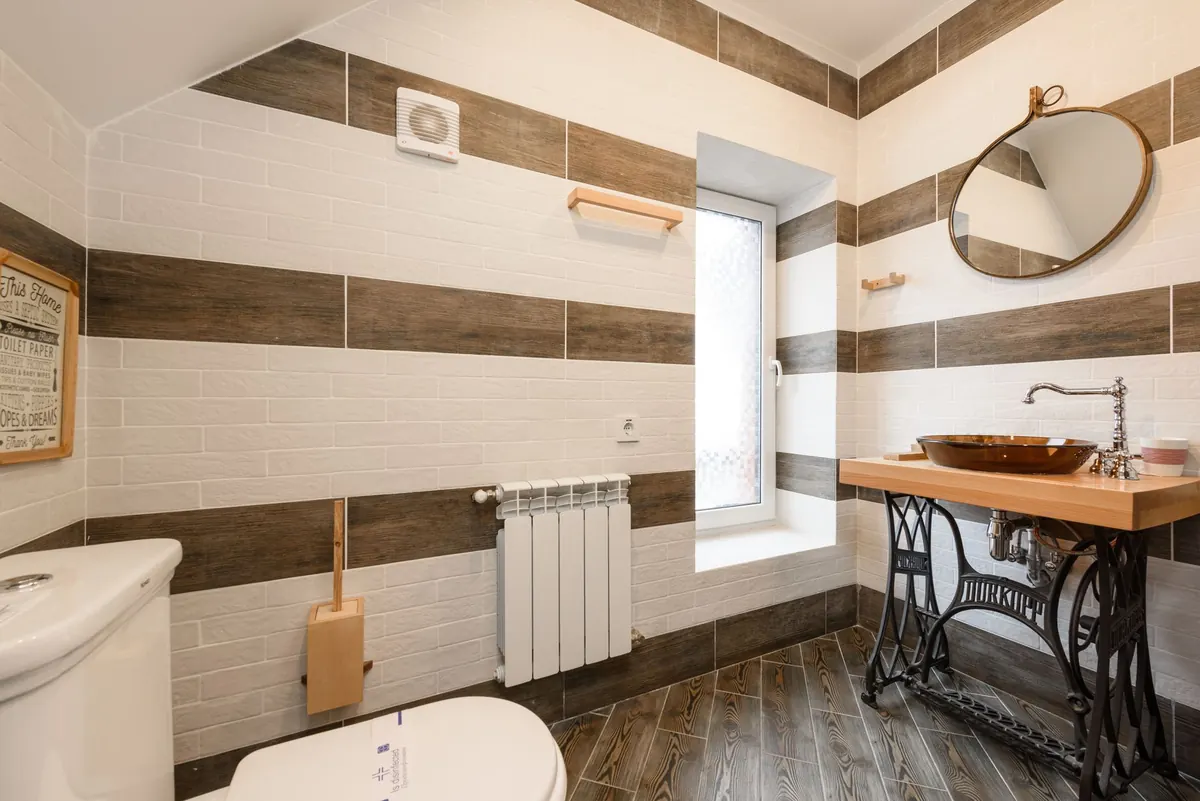
- Bathroom: Run the extractor fan during and after showers, wipe down wet surfaces, and fix any dripping taps.
- Kitchen: Use pan lids, run the extractor when cooking, and avoid drying laundry on radiators if possible.
- Loft: Top up insulation to the recommended depth, lag pipes, and make sure the water tank is covered but the loft still ventilated.
Before the first cold snap
Set aside an hour in late autumn to do the small jobs that make a difference. Bleed your radiators so they heat evenly. Check that the boiler has been serviced and the thermostat is working. Test smoke and carbon monoxide alarms, and replace the batteries. Locate your stopcock and make sure it turns. If you have a power cut, know where your torches and blankets are.
Most winter discomfort is not solved by one grand gesture but by a dozen small ones — a seal here, a curtain there, a habit of opening a window for ten minutes after a shower.
Do these things and your home will not just be warmer. It will feel cared for, which is its own kind of insulation against a long, grey season.
Photo: Lisa Anna / Pexels
Related posts
More stories you’ll love reading